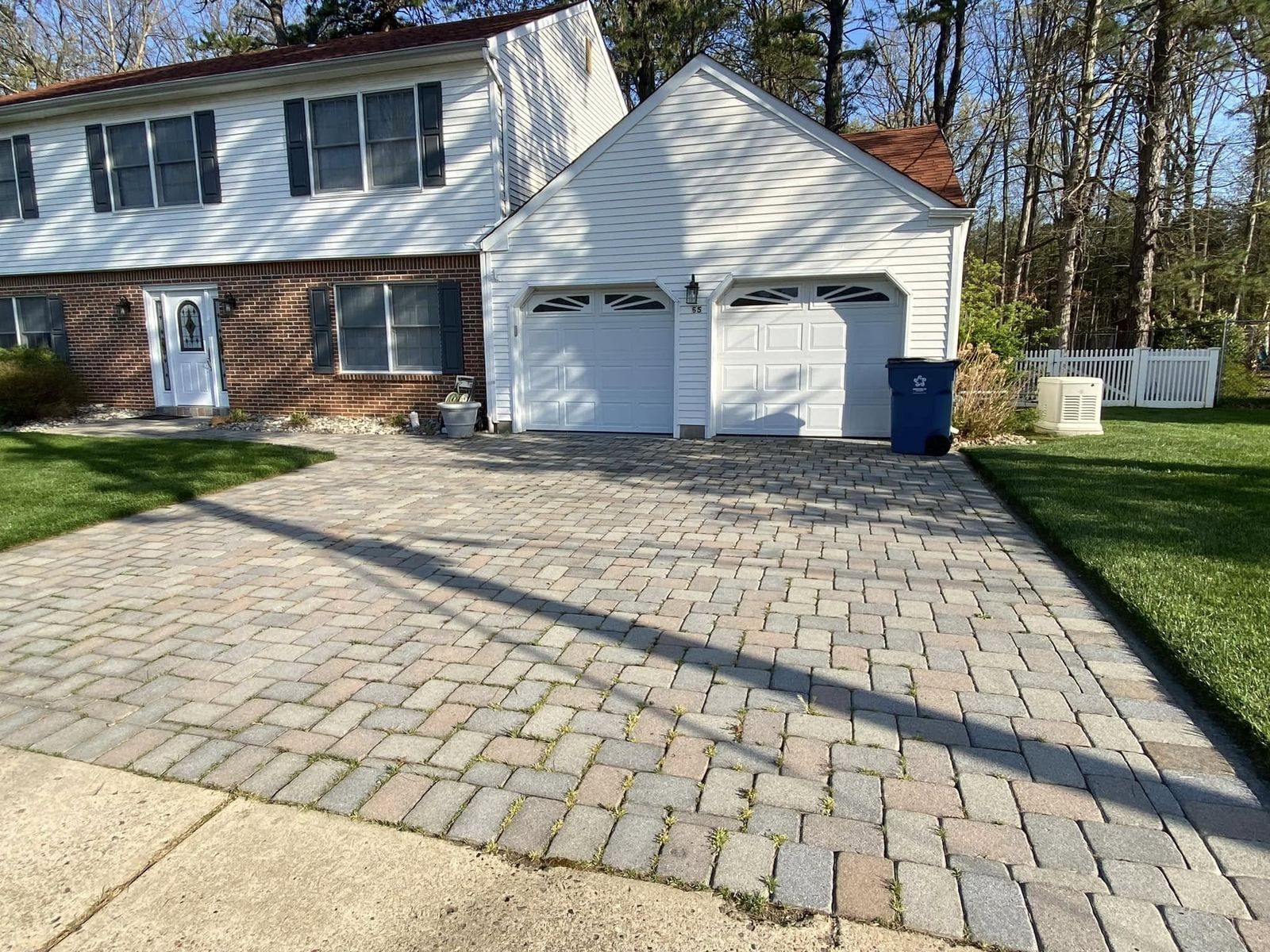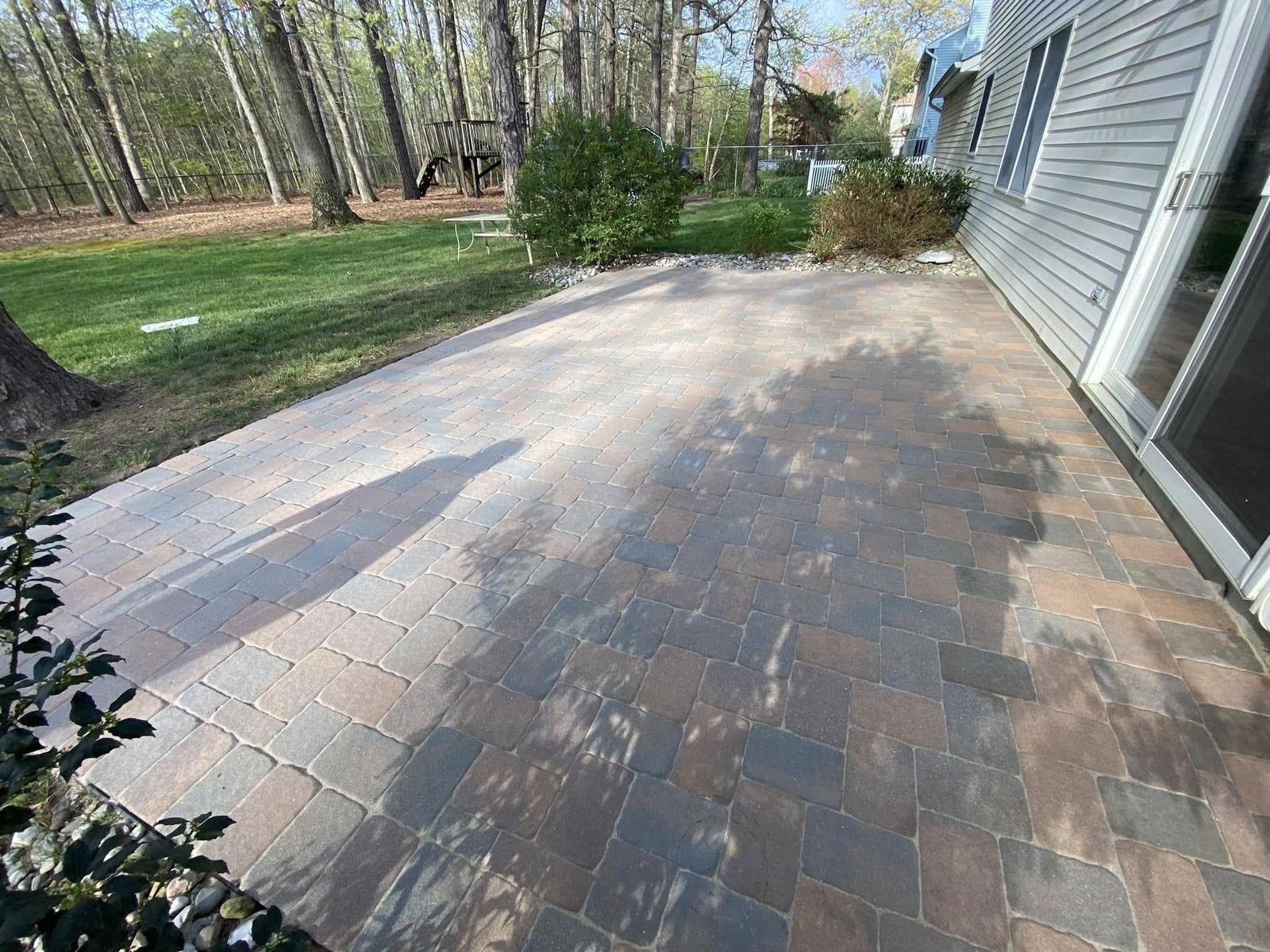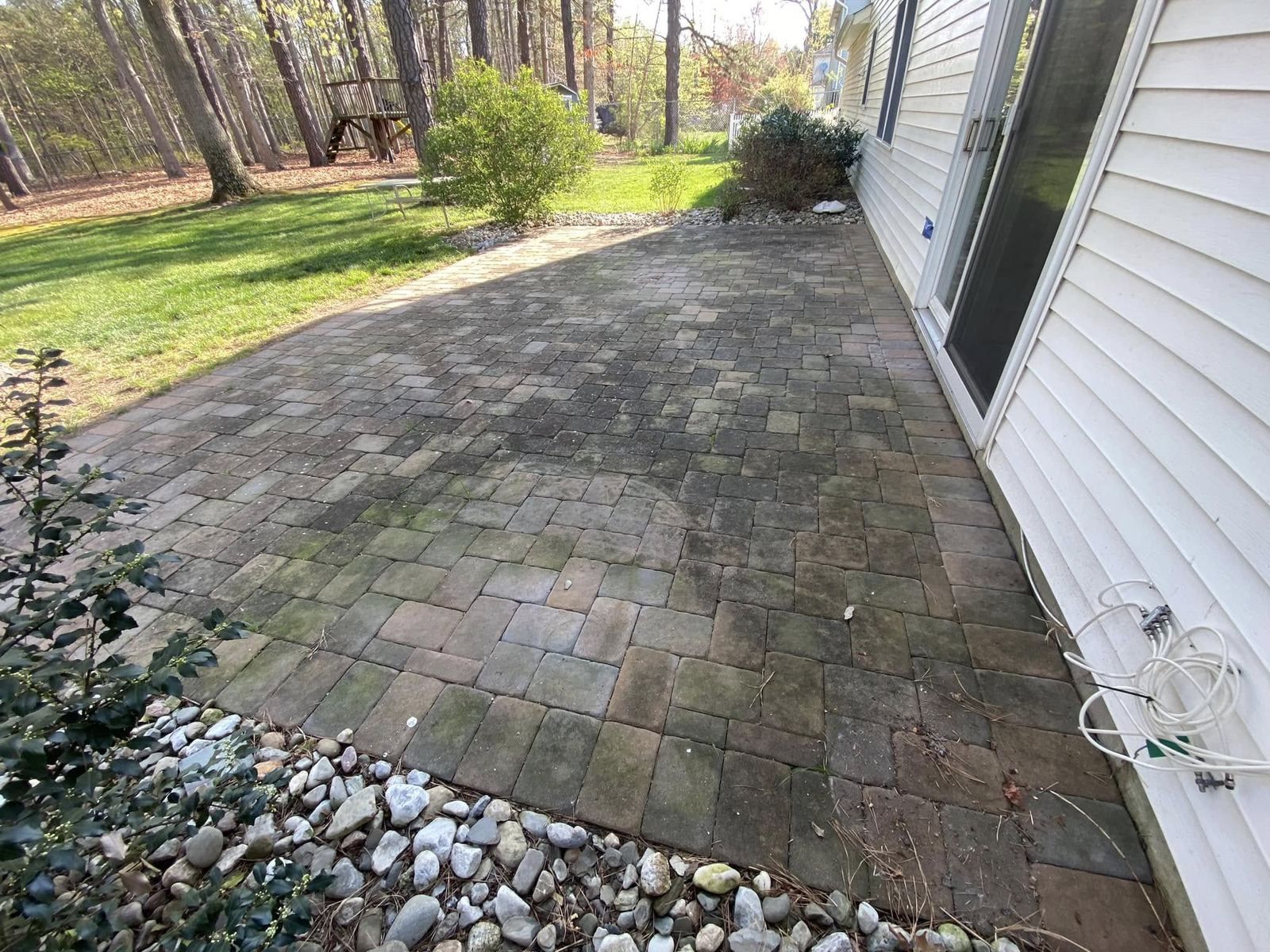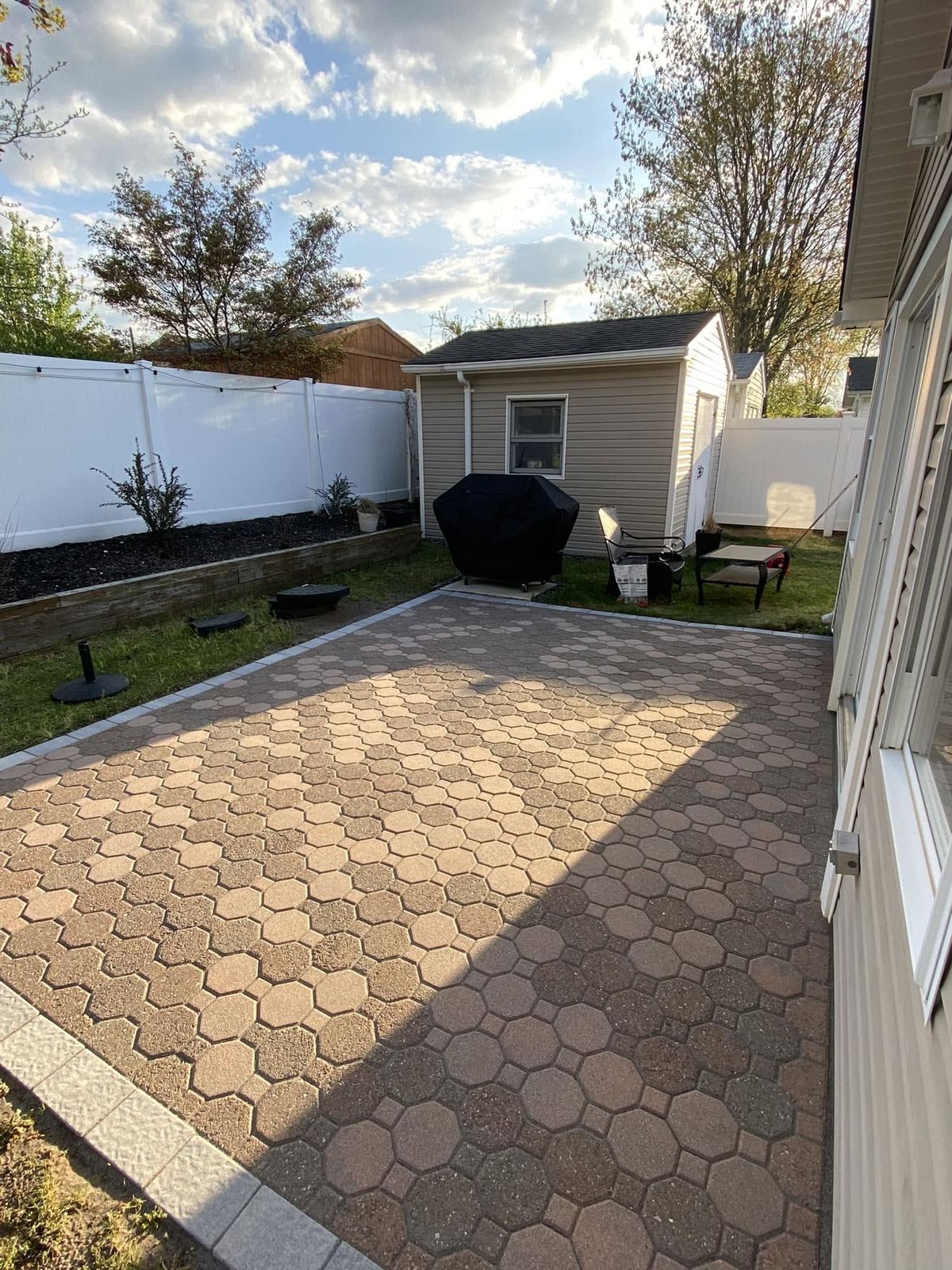
Manalapan, NJ

Paver Restoration in Manalapan, NJ

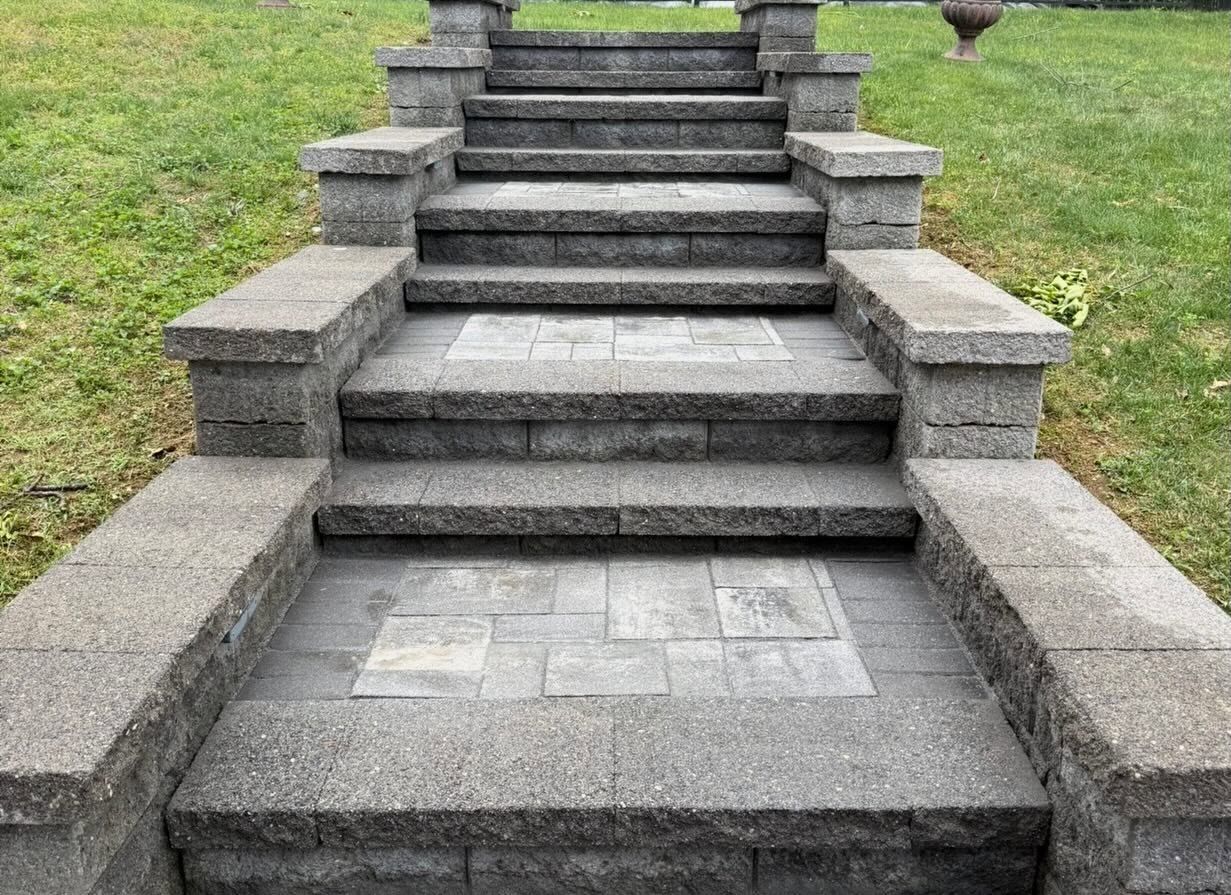
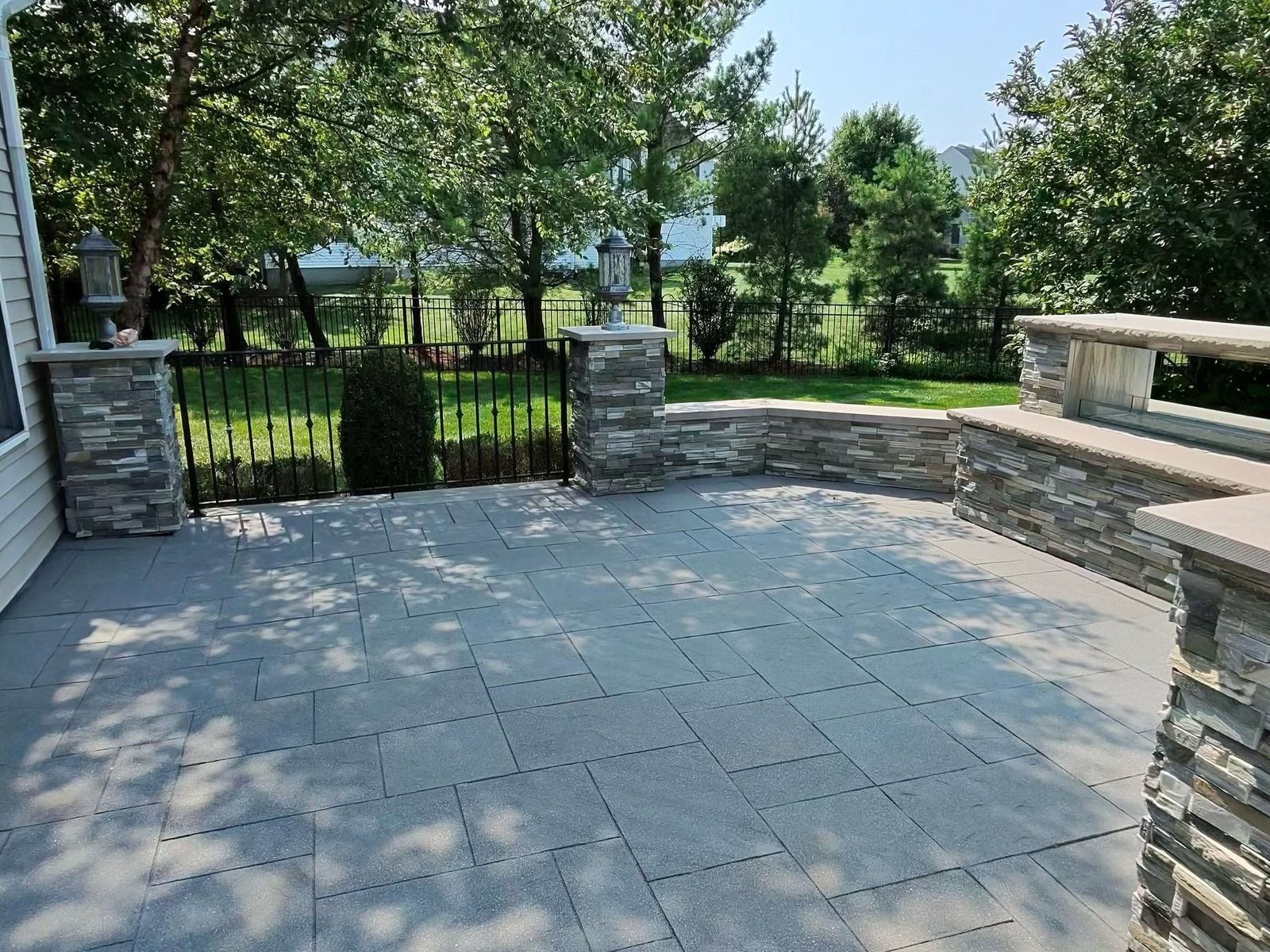
Paver restoration is a multi-step process that returns interlocking pavers, brick, and natural stone to their original color, stability, and finish. It begins with deep cleaning to remove algae, mold, efflorescence, and embedded staining, continues with the elimination of weeds and moss from the joints, and moves through crack repair and joint re-sanding with polymeric sand before finishing with a penetrating, UV-resistant sealer. Across Manalapan, NJ, pavers define driveways, patios, walkways, and pool decks on properties of every size, and they face the same cycle every year: humid summers that feed organic growth in the joints, autumn leaves that stain the surface, and winters whose freeze-thaw cycles work moisture into the paver and heave the base beneath it. Restoration addresses all of it in a single, sequenced project.


Choosing professional paver restoration in Manalapan, NJ, protects an investment that is expensive to replace and surprisingly easy to damage. Pressure that is safe on concrete can blast joint sand out entirely, etch the surface of clay brick, and drive water beneath the pavers where it undermines the base. Sealers applied to damp pavers, in cold weather, or over efflorescence that has not been removed turn white, peel, and have to be stripped. Professional technicians clean at the correct pressure, treat stains with the appropriate solutions, re-sand with polymeric sand that hardens against erosion and weeds, and seal only when the surface is dry and temperatures will hold above 50°F overnight. The result is a hardscape that looks new, stays put, and resists the next season's staining.


Catanzaro’s Power Washing, based in Monroe Township, has served residential and commercial clients across Monmouth and Middlesex Counties for several years, building a reputation for careful, thorough exterior restoration. We specialize in professional paver restoration as part of a comprehensive service offering that also includes power washing, soft washing, gutter cleaning, window cleaning, deck restoration, exterior painting, and commercial cleaning. Our team approaches every Manalapan hardscape with an assessment of its material, condition, and exposure, the right equipment, and a commitment to results that hold for years.

About Manalapan, NJ

Manalapan Township covers more than thirty square miles of western Monmouth County and completely surrounds the small borough of Englishtown, which once served as its administrative center. The township's name is drawn from a Lenape phrase meaning good land to settle upon, and for generations that land grew grain and vegetables. The transformation began in the 1960s, when developers bought farms and built the neighborhoods that define Manalapan today: Yorketown, Monmouth Heights with its early-1990s center-hall colonials on half- to three-quarter-acre lots, the Gordons Corner corridor of 1980s and 1990s colonials and split-levels near the Route 9 retail strip, and the Battleground section, where homes sit on one to three acres adjoining the state park.


History remains visible across the township. Roughly 80 percent of Monmouth Battlefield State Park lies within Manalapan, preserving more than 1,800 acres of fields, orchards, woods, and wetlands where the 1778 battle was fought, along with the Craig House and the visitor center on Combs Hill. Old Tennent Church, built in 1753, still stands nearby. The Manalapan Recreation Center spreads athletic fields and facilities across 162 acres, and Knob Hill Country Club anchors an 18-hole course at the center of an early-2000s community of condominiums, townhomes, and single-family homes. Active-adult communities, including Covered Bridge along Route 9 and Four Seasons at Manalapan Crossing near Route 33, add well-kept neighborhoods where hardscape presentation is part of the community standard.

Climate & Environmental Factors in Manalapan, NJ

Manalapan experiences a humid subtropical climate with warm, humid summers, cold winters, and roughly four feet of annual precipitation. Summer humidity that regularly exceeds 70 percent, combined with warm nights, drives algae and mold growth across paver surfaces and especially within the joints, where moisture lingers longest. Shaded patios beneath the township's mature oak canopy develop green film and moss between the pavers within a season, and spring pollen settles into the joint sand and feeds that growth. Summer thunderstorms wash fine soil and organic debris across driveways and walkways, where it lodges in the joints and darkens the surface.


Manalapan's soils shape what happens beneath the pavers. The township's natural resource inventory documents a range from fast-draining sandy soils to slow-draining, clay-rich and hydric soils along its stream corridors, and pavers set over the latter are prone to settling, heaving, and joint-sand loss as water moves through the base during freeze-thaw cycles from December into March. Water that enters unsealed pavers expands by roughly nine percent when it freezes, flaking the surface and opening hairline cracks at the edges. Winter road salt applied along Route 9, Route 33, and residential streets migrates onto paver driveways and front walks, where it crystallizes inside the surface and leaves white haze. Autumn leaf fall from the oak and maple canopy deposits tannin that stains pavers when left through the wet months. Restoration removes the accumulated damage of that full cycle and seals the surface against the next one.

Paver Restoration Challenges Unique to Manalapan Properties

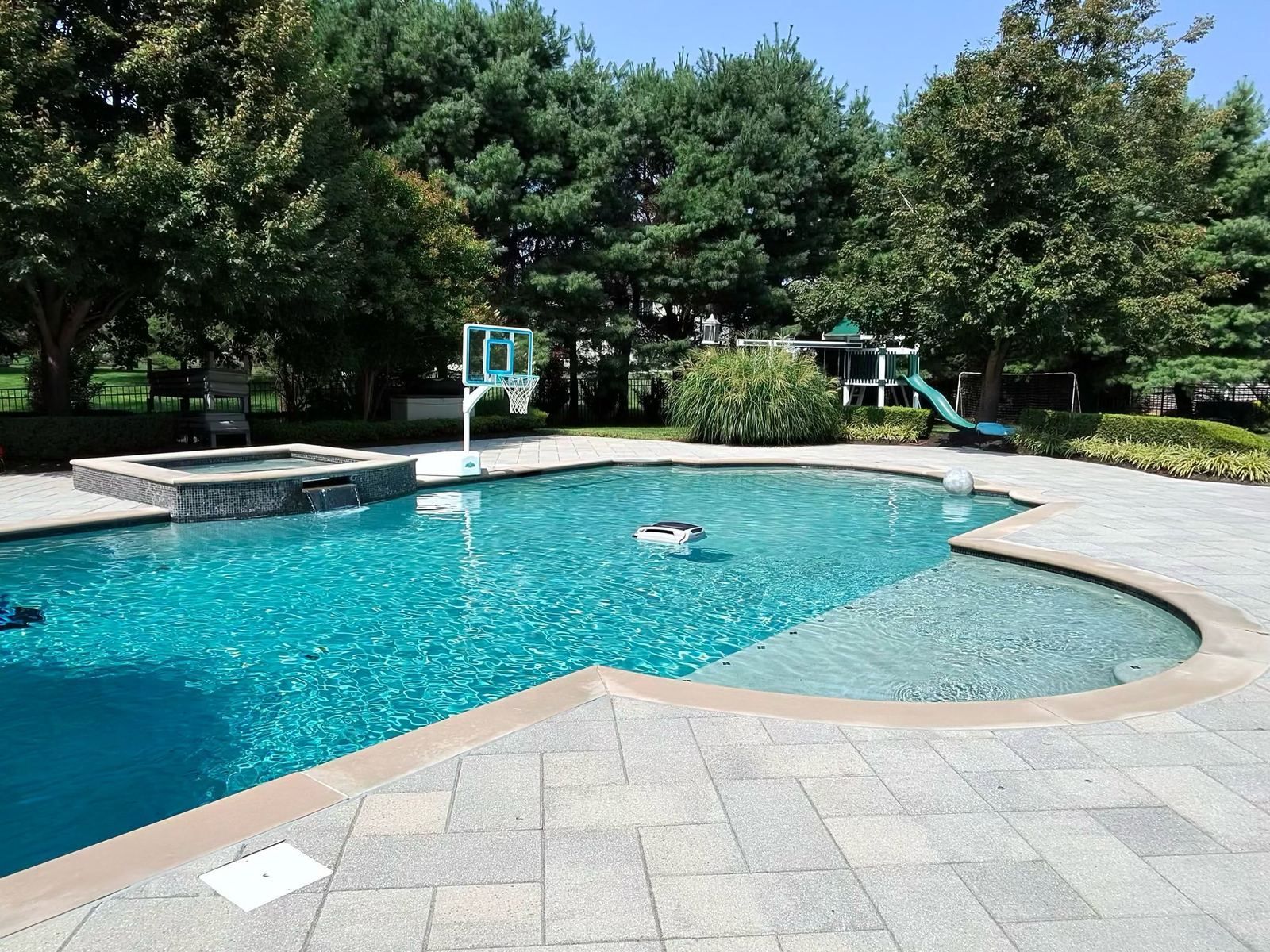
The scale of Manalapan's hardscapes is the first challenge. The half-acre and larger lots that characterize Monmouth Heights, Gordons Corner, and the Battleground section carry long paver driveways, wide front walks, and expansive rear patios and pool decks, often in a mix of concrete pavers, clay brick, and natural stone laid at different times by different installers. Each material responds differently to cleaning pressure and sealer chemistry, and a single property may need three approaches. Pool decks add the requirement for an anti-slip additive in the sealer and the reality that summer splash keeps them damp and algae-prone all season.


Age is the second challenge. Many of the township's paver installations date to the 1990s and early 2000s, which places them well past the point where original joint sand has washed out, edges have settled along soft-soil corridors, and any early sealer has long since worn through. Restoring those hardscapes means correcting the joints and minor settling before any sealer is applied, or the new finish simply locks in the problem. In Covered Bridge, Four Seasons, and Knob Hill, shared standards and close-set homes mean that a stained or weed-filled walkway is noticed, and results have to be uniform and streak-free. Wooded lots along the battlefield and the township's brook corridors carry deep shade and heavy leaf load that make moss in the joints a recurring problem. Effective paver restoration in Manalapan requires reading each surface, correcting its foundation, and matching cleaning, sand, and sealer to the material.

Why Manalapan, NJ Residents Trust Catanzaro's Power Washing?

Homeowners in Manalapan trust Catanzaro's Power Washing because we treat paver restoration as a sequenced project rather than a rinse and a coat of sealer. Several years of hardscape work across Monmouth County have given our team direct experience with the settled joints, efflorescence, and shade-driven moss that Manalapan's soils, canopy, and humid summers produce. We assess the paver material, the condition of the base and joints, and the level of staining before work begins, and we recommend only the steps a property actually needs, whether that is a cleaning and re-sanding or a full restoration with sealing and color enhancement.


Our team works to a two-day schedule that protects the result: cleaning, stain treatment, crack repair, and polymeric sand on the first visit, then sealing on the second once the surface has dried completely and the forecast holds. We use commercial-grade equipment, EPA-approved cleaners, non-toxic weed treatments, durable polymeric sand, and penetrating UV-resistant sealers with anti-slip additives where pool decks and steps call for them, and we back our sealants with a warranty. We explain each stage as we go and leave homeowners with a clear maintenance interval. That combination of process discipline, the right materials, and straightforward communication is why Catanzaro's Power Washing is the trusted choice for paver restoration across Manalapan.

Hire Us! Best and Top-Rated Paver Restoration in Manalapan, NJ

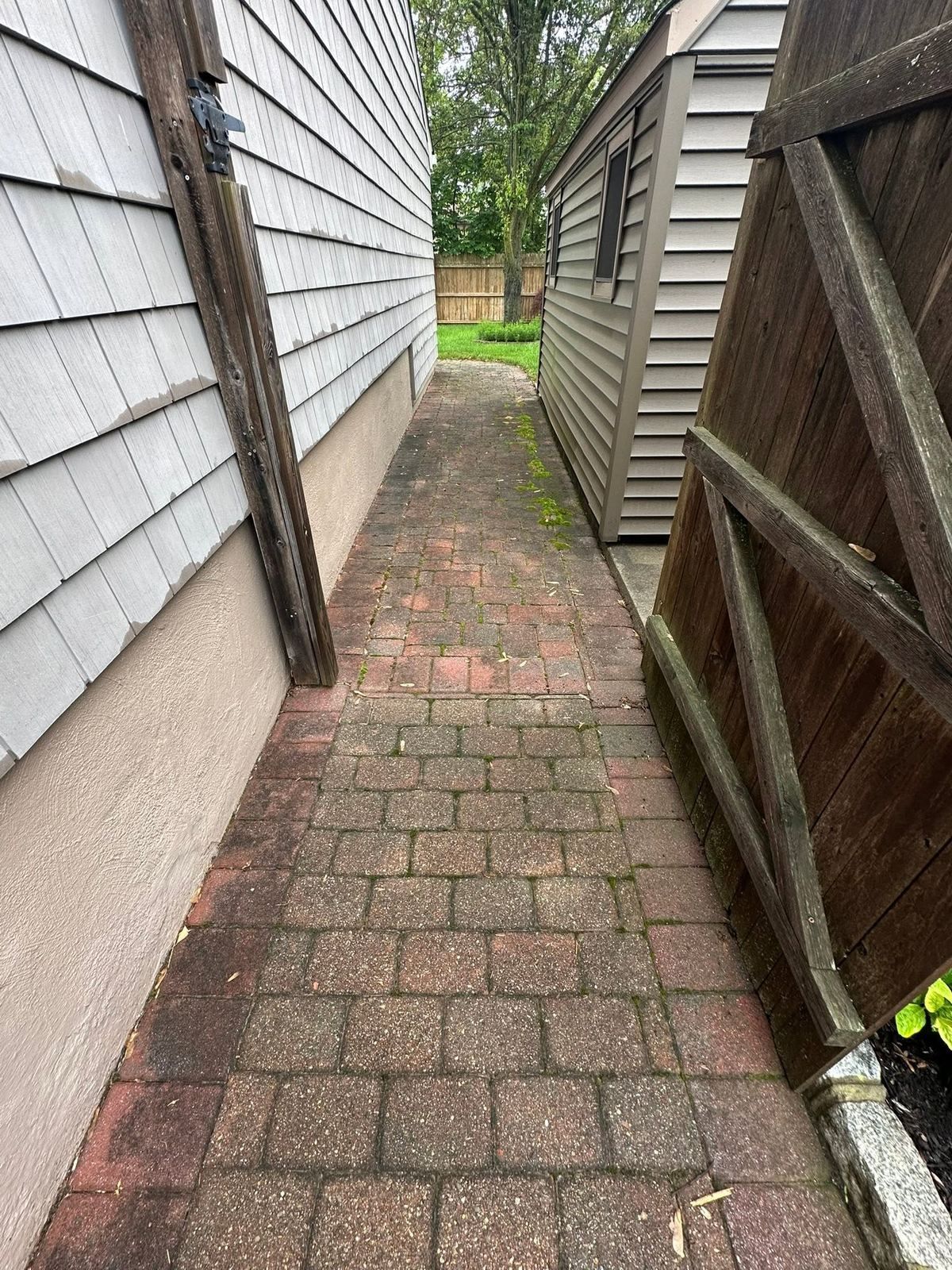
Faded color, joints sunk below the paver edge, weeds and ants working through the gaps, white haze near the downspouts, and green film on the shaded end of the patio are all signs that a hardscape is losing the protection it was installed with. Left through another winter, the moisture in those open joints and unsealed surfaces freezes, heaves, and flakes, turning a restoration project into a repair project. Professional paver restoration reverses the wear, stabilizes the joints, and seals the surface so the next season's staining rinses off rather than soaking in.


Catanzaro's Power Washing is ready to restore the pavers on your Manalapan property to the condition they were installed in. Whether you own a colonial in Monmouth Heights with a long paver driveway that has faded and settled, a home in Covered Bridge or Four Seasons where the walkway needs to meet community standards, or a wooded lot near the battlefield where moss keeps returning to a shaded patio, we have the equipment, materials, and experience to deliver results that meet your expectations. Our team handles hardscapes of every size across the township, working efficiently and protecting landscaping throughout. Requesting a quote takes a single call or message. We respond promptly, provide transparent pricing based on your property's actual conditions, and schedule service in the dry, mild weather that sealing requires.

Frequently Asked Questions

  • 1. How often should pavers in Manalapan be restored or sealed?

    Full restoration is typically needed every three to five years, while resealing every two years extends that interval considerably. Driveways that receive winter salt and shaded patios beneath mature trees tend to need attention sooner than sunny, open areas.

  • 2. What does paver restoration involve?

    The process includes deep cleaning to remove algae, staining, and efflorescence, removal of weeds and moss from the joints, repair of cracked or settled pavers, re-sanding with polymeric sand, and application of a penetrating UV-resistant sealer, with optional color enhancement.

  • 3. How long does paver restoration take?

    Most projects take one to three days. Cleaning, repairs, and re-sanding are completed on the first day, and sealing follows on a second day once the surface has fully dried, since sealer applied over damp pavers turns cloudy.

  • 4. When is the best time of year to seal pavers in Manalapan?

    Spring and fall, when daytime temperatures are mild and overnight lows stay above 50°F. Sealer needs a dry surface and 24 to 48 hours without rain to cure properly, so the schedule follows the forecast rather than the calendar.

  • 5. What types of pavers can be restored?

    Concrete, clay brick, natural stone, and porcelain pavers, including interlocking and permeable systems, can all be restored. Each material is cleaned at its own pressure and sealed with a product suited to its porosity and finish.

  • 6. Will sealing make my pavers slippery?

    Not when the right product is used. Pool decks, steps, and walkways receive sealers with anti-slip additives or textured formulas that preserve traction when wet, while driveways and patios can take a standard penetrating or color-enhancing finish.

  • 7. Why do weeds and ants keep coming back between my pavers?

    Washed-out joint sand leaves open gaps where seeds germinate and ants nest. Re-sanding with polymeric sand, which hardens when wetted, and sealing over it closes those gaps and starves out both problems for years.

  • 8. How does restoration compare to replacing the pavers?

    Restoration costs a fraction of replacement and returns pavers to near-original color and stability, while replacement involves demolition, disposal, and a new base. Unless pavers are structurally broken or the base has failed, restoration is the smarter investment.